
[et_pb_section fb_built=”1″ _builder_version=”4.27.4″ _module_preset=”default” global_colors_info=”{}”][et_pb_row _builder_version=”4.27.4″ _module_preset=”default” global_colors_info=”{}”][et_pb_column type=”4_4″ _builder_version=”4.27.4″ _module_preset=”default” global_colors_info=”{}”][et_pb_text _builder_version=”4.27.4″ _module_preset=”default” global_colors_info=”{}”]
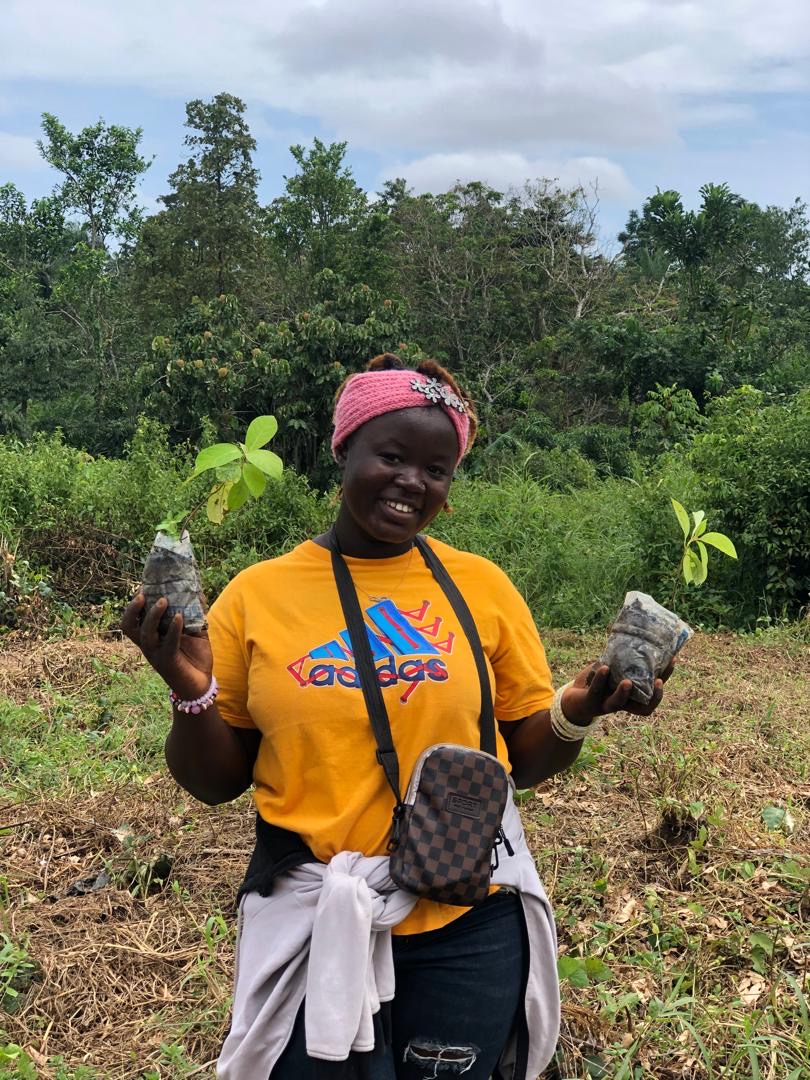
On October 3, 2025, we officially launched our landscape restoration initiative in Bafawahun, marking the beginning of a long-term effort to heal degraded ecosystems and strengthen community resilience. Over 3,500 trees were planted in the first two weeks in the communities of Bafawahu, Diama and Nekabo.
Earlier this year, we received a €5,000 grant from the Centre for International Forestry Research (CIFOR) to support this restoration effort. The project aims to plant 10,000 trees across the communities of Bafawahun, Diama, Kotomahun, and Nekabo, as well as in 10 schools within Kenema City, eastern Sierra Leone.
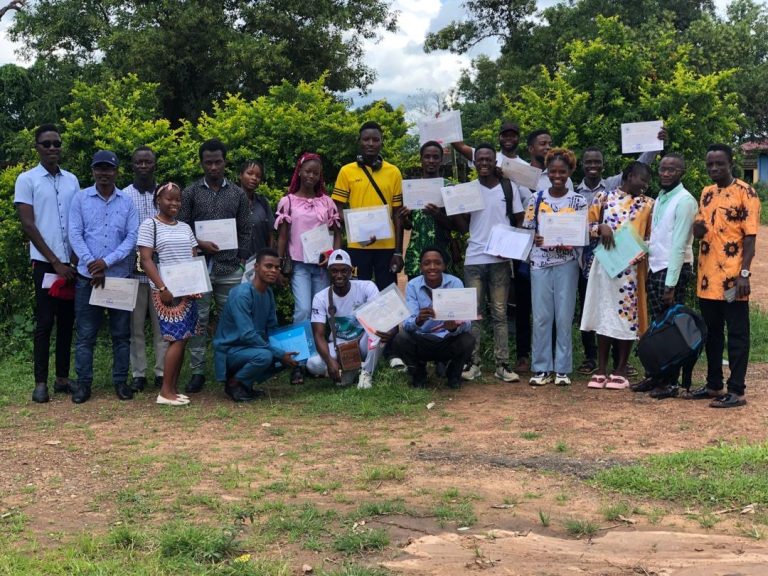
Beyond tree planting, the grant is helping to expand our flagship environmental education program, The Environmental Journey (EJ), to ten additional schools, equipping the next generation of Sierra Leoneans with knowledge and skills about the environment.
With strong community participation, four tree nursery sites have been established, one each in Bafawahun, Diama, Kotomahun, and Nekabo, collectively housing more than 14,100 native tree seedlings, surpassing our original target. Each nursery serves as both a supply hub for restoration and a learning centre for local youth and farmers.
Before planting began, we facilitated community engagement sessions to identify local environmental challenges and prioritise areas for restoration. Each community selected sites based on their ecological importance and level of degradation.
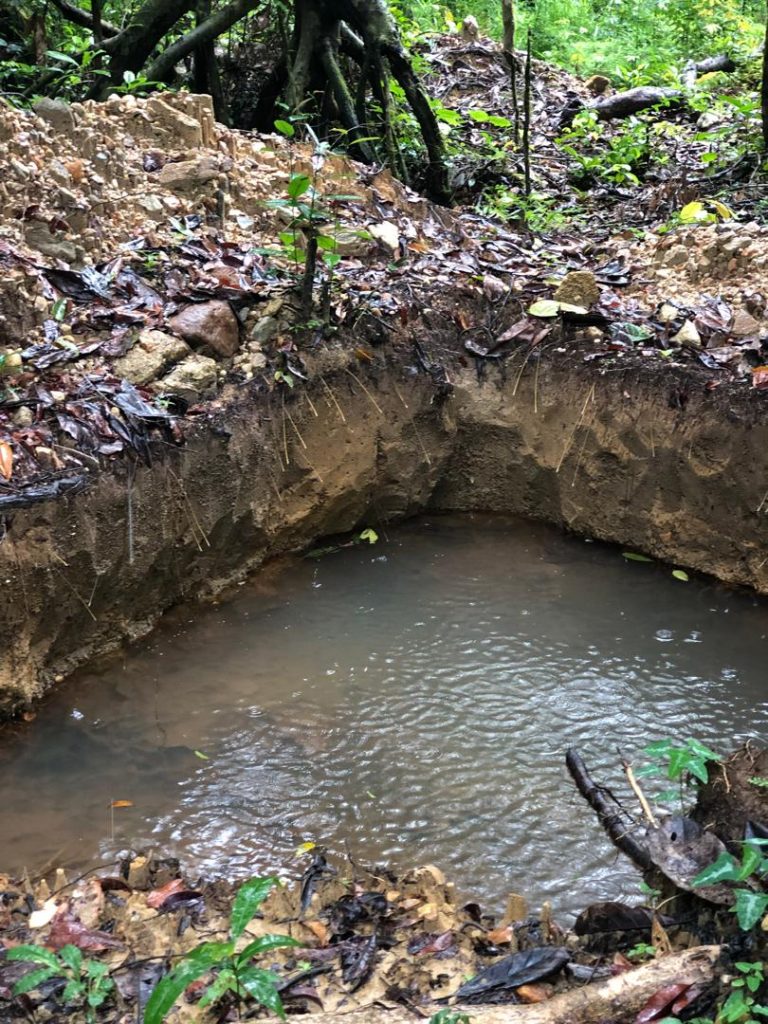
In Bafawahun, the community chose to restore an area that was once a forest and natural buffer for the riverbank but had been cleared for oil palm cultivation. The goal of this restoration is to prevent further flooding and riverbank erosion. Diama’s restoration efforts focus on a section of their community forest, a crucial watershed that has suffered severe deforestation and now threatens local water security. For Kotomahun, the chosen site is part of the Kambui South Forest, which was recently cleared for rice farming. This restoration is critical for halting encroachment and preserving the forest ecosystem. Finally, Nekabo, which has no designated community forest, is establishing one on the grounds of its public school. This effort aims to restore the landscape, provide shade, and reduce storm impacts on the school and surrounding homes.
To ensure the sustainability of these efforts, we signed Memoranda of Understanding (MoUs) with participating communities. Each MoU includes Terms of Reference (TORs) prohibiting tree cutting and land clearing within the restoration sites.
Additionally, SLEM is working with communities to review and strengthen local bylaws governing forest conservation: closing legal gaps, improving enforcement, and ensuring that violations are addressed effectively.
This project is more than just tree planting. It represents a shared commitment between SLEM and local communities to protect their environment, secure their livelihoods, and build resilience against climate change.
[/et_pb_text][/et_pb_column][/et_pb_row][/et_pb_section][et_pb_section fb_built=”1″ _builder_version=”4.27.4″ _module_preset=”default” global_colors_info=”{}”][/et_pb_section]